
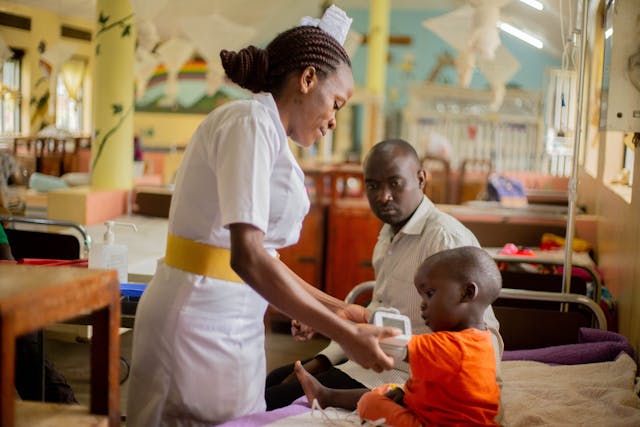
Nutrition and health are the foundation of human capital formation, labor productivity, and long-term development. However, in Sub-Saharan Africa (SSA), persistent food insecurity, malnutrition, weak sanitation systems, and constrained health infrastructure continue to undermine these foundations. The region’s experience over the past decade demonstrates that nutrition, health, and sanitation outcomes are deeply interconnected and that progress in one domain is fragile without systemic reform across all three.
Successive editions of The State of Food Security and Nutrition in the World (2017–2025) show that SSA has become the global epicenter of hunger. After modest gains in the early 2000s, the prevalence of undernourishment rose from roughly 20 percent in 2015 to over 23–24 percent by 2022–2023. In absolute terms, more than 280 million people are undernourished. Moderate or severe food insecurity affects more than 60 percent of the population, with severe food insecurity impacting up to one-third in some contexts. The deterioration accelerated during COVID-19 and has only partially stabilized since.
These nutrition deficits intersect with weak health systems and inadequate sanitation infrastructure. Undernutrition contributes to nearly half of under-five mortality. Poor water, sanitation, and hygiene (WASH) conditions increase exposure to infectious diseases, impair nutrient absorption, and exacerbate child growth faltering. In many rural and peri-urban areas, limited access to clean water and sanitation services compounds the burden of malnutrition, creating a vicious cycle of illness and underdevelopment.
The drivers of this crisis are structural and interlocking. Conflict and political instability disrupt agricultural production, displace populations, and undermine service delivery. Climate variability—recurrent droughts, floods, and temperature extremes—reduces crop yields and livestock productivity in predominantly rain-fed systems. Economic slowdowns, debt distress, and fiscal constraints limit governments’ ability to finance food imports, health services, and social protection programs. Volatile food prices and currency depreciation erode purchasing power, rendering healthy diets unaffordable for the majority of households. Structural food system weaknesses—low productivity, inadequate irrigation, limited cold chains, and gender inequalities in land and finance—reduce resilience to shocks.
The consequences are multi-dimensional. Malnutrition erodes cognitive development, educational attainment, and lifetime earnings, weakening aggregate productivity and long-term growth. Health systems face a dual burden: persistent undernutrition alongside rising diet-related non-communicable diseases. Macroeconomic losses from malnutrition are estimated at 2–3 percent of GDP annually in some countries. Food insecurity also correlates with social unrest, migration pressures, and heightened conflict risk. Poor maternal nutrition perpetuates intergenerational poverty through low birth weight and impaired child development.
Is the situation improving? The evidence indicates a mixed but concerning trajectory. While chronic stunting has declined slowly, hunger and severe food insecurity have increased since 2014 and surged during the pandemic period. Unlike other regions, SSA has not returned to pre-pandemic hunger levels. Demographic growth implies that even stable prevalence rates translate into rising absolute numbers of food-insecure individuals. The region is off-track for achieving Sustainable Development Goal 2 (Zero Hunger).
The central lesson is that food insecurity in SSA is not a temporary humanitarian anomaly but a structural development challenge. Emergency food assistance remains essential in crisis contexts, yet sustainable progress requires systemic transformation. Investments in climate-resilient agriculture, irrigation, rural roads, and storage infrastructure can stabilize food supply. Scaled social protection systems including cash transfers and school feeding programs—can buffer vulnerable households against shocks. Strengthening primary healthcare and expanding WASH infrastructure are critical complements to nutrition-specific interventions. Gender-responsive reforms in land access, finance, and agricultural extension services can enhance productivity and equity.
Building resilient, inclusive systems in nutrition, health, and sanitation is therefore fundamental to unlocking Africa’s human capital potential. Without integrated reforms that address both supply-side constraints and demand-side vulnerabilities, the region risks entrenching a cycle of malnutrition, weak productivity, and fiscal strain. With strategic investment and evidence-based policy design, however, nutrition and health systems can shift from reactive crisis management toward sustained human development and economic resilience.