
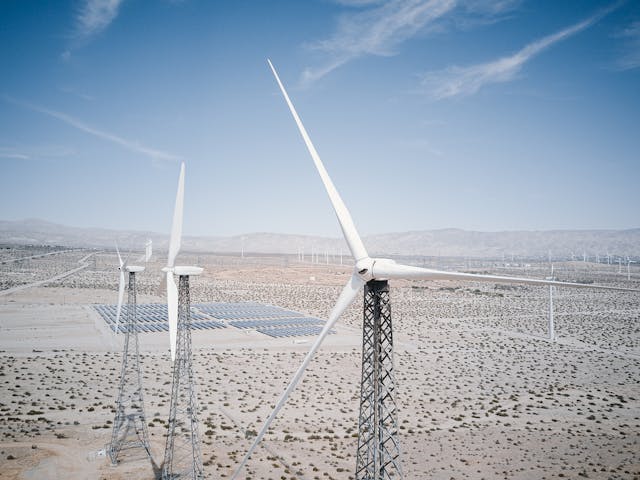
Climate change is no longer a distant future risk or environmental concern for developing and low-income countries; it is a present macroeconomic reality. Rising temperatures, erratic rainfall, prolonged droughts, floods, and ecosystem degradation are already reshaping production systems, labor markets, food and asset prices, and fiscal stability. Yet, the countries most exposed to climate risks are also those with the least financial capacity to respond.
This creates a defining economic dilemma: how can low-income countries pursue a transition toward greener development pathways while simultaneously addressing urgent adaptation needs without undermining growth, poverty reduction, or employment? Managing the dual challenges of mitigation and adaptation has become a central pillar of sustainable development and long-term economic resilience.
At the core of this challenge lies finance. Finance is essential both for enabling a just transition toward green sustainable development and for managing the economic consequences of climate change. The central policy question is no longer whether climate finance is needed, but how it can be mobilized at scale to support mitigation, adaptation, and resilience-building in fiscally constrained environments.
Strategic investments in clean and renewable energy, climate-smart agriculture, resilient infrastructure, and sustainable urban systems can simultaneously reduce emissions and strengthen economic stability. However, the scale of financing required far exceeds current flows, particularly in developing regions where climate risks are highest. Bridging this gap will require innovative financial instruments capable of mobilizing private capital alongside public resources.
Mobilizing financial flows toward mitigation, adaptation, and a just transition is therefore not simply an environmental objective it is a developmental necessity. As climate risks intensify, the costs of inaction are increasingly visible in disrupted agricultural systems, damaged infrastructure, and heightened macroeconomic volatility. Investment in low-carbon and climate-resilient systems is thus foundational to safeguarding growth, livelihoods, and fiscal sustainability.
For many low-income economies, the green transition presents not only an environmental challenge but also a strategic opportunity. Investments in clean energy systems, sustainable transport, circular production models, and nature-based solutions offer pathways to diversify growth while reducing vulnerability to fossil fuel volatility and climate-related shocks. In this sense, green transformation can serve as a structural shift toward productivity-enhancing and future-proof sectors.
Yet the financing gap remains stark. Global mitigation efforts alone require an estimated USD 5 trillion annually through 2030. Developing economies need approximately USD 2.4 trillion per year over the same period to meet climate-related goals. Despite these needs, climate finance flows remain heavily concentrated in advanced economies, while the most climate-vulnerable countries face higher capital costs and limited fiscal space.
Closing this gap will require accelerating private investment into climate-aligned sectors while shifting capital away from environmentally harmful activities. Blended finance, green bonds, catalytic capital, and risk-sharing instruments can help crowd in private investment and reduce perceived risks in frontier markets.
Equally important is ensuring that the transition toward greener development pathways is just and inclusive. Low-income countries are among the least responsible for global emissions, yet they bear disproportionate climate impacts. Climate policies inevitably create both opportunities and adjustment pressures across sectors and communities. A well-managed transition must therefore incorporate social considerations supporting workforce adaptation, safeguarding livelihoods, and ensuring equitable access to emerging green opportunities.
Climate Change as an Economic Shock
In developing economies, climate change functions less as an environmental concern and more as a structural economic shock.
Productivity Losses
Climate variability directly affects:
- Agricultural yields
- Labor productivity
- Infrastructure durability
- Water and energy systems
In economies reliant on rain-fed agriculture and climate-sensitive sectors, these disruptions translate into reduced output, income volatility, and heightened food insecurity.
Fiscal Stress
Climate-related disasters increase:
- Public expenditure pressures
- Reconstruction costs
- Social protection needs
Simultaneously, economic disruptions erode tax revenues, worsening already constrained fiscal positions.
Investment Uncertainty
Climate risk discourages long-term private investment by increasing uncertainty around returns, asset durability, and supply chain stability. This suppresses capital formation and slows structural transformation.
The Just Transition Challenge
Transitioning to low-carbon energy systems presents both opportunity and risk.
Unlike advanced economies that industrialized through fossil fuel use, low-income countries face pressure to leapfrog directly to clean systems—often before completing basic industrialization.
Development vs Decarbonization
Many countries still require:
- Energy expansion
- Industrial growth
- Infrastructure development
Rapid decarbonization without accessible financing and technology could constrain development pathways.
Employment Risks
Shifts away from carbon-intensive sectors may disrupt livelihoods in:
- Extractive industries
- Informal energy value chains
- Traditional agricultural systems
Without compensatory investments, the transition risks widening inequality.
Energy Access
With over 600 million people in Africa lacking reliable electricity, any transition must expand access while ensuring affordability and reliability. A mitigation-only approach risks excluding the poorest.
Adaptation as a Development challenge
For low-income countries, adaptation is central to survival.
Priority areas include:
- Climate-resilient agriculture
- Flood and drought management
- Urban resilience
- Water resource management
However, adaptation investments often yield long-term, public-good benefits with limited immediate financial returns, making them less attractive to private investors and contributing to persistent financing gaps.
The Role of Finance
Finance is the enabling mechanism through which both mitigation and adaptation become feasible.
Scaling Clean Energy
Transitioning to renewable energy requires substantial upfront investments in:
- Generation capacity
- Grid modernization
- Storage infrastructure
Blended and concessional finance can help reduce risks and attract private capital.
Supporting Adaptation
Public and development finance must prioritize:
- Climate-smart infrastructure
- Resilient food systems
- Disaster risk reduction
Innovative instruments such as resilience bonds and insurance mechanisms can help bridge gaps.
Managing Transition Risks
Financial systems can cushion social impacts through:
- Just transition funds
- Workforce retraining
- SME adaptation financing
Constraints Facing Low-Income Countries
Despite growing commitments, access to climate finance remains constrained by:
- High cost of capital
- Institutional capacity limitations
- Currency and sovereign risk
- Shallow domestic capital markets
These barriers limit the mobilization of both international and domestic resources.
Toward a Climate-Resilient Growth Model
Finance must be reframed not as external aid but as a catalyst for structural transformation.
Key priorities include:
- Aligning development finance with climate goals
- Mobilizing domestic capital markets
- Integrating climate risk into financial regulation
- Supporting climate-resilient industrialization
Policy Interventions and Research Priorities
The challenges outlined above reveal a fundamental reality, climate vulnerability in developing and low-income countries is not just an environmental challenge it is a structural development constraint. Addressing it requires moving beyond incremental financing approaches toward systemic policy innovation grounded in robust evidence.
From diagnosis to action
To mitigate the challenges identified ranging from high capital costs and weak adaptation financing to risks associated with a just transition, policy responses must be both transformative and context sensitive.
I. Novel Policy Interventions
1. Climate-Integrated Development Planning
Rather than treating climate action as a parallel agenda, governments should embed mitigation and adaptation into national development strategies.
Policy tools may include:
- Climate-informed public investment frameworks.
- Green industrial policy aligned with structural transformation goals.
- Integration of climate risk into macro-fiscal planning.
This ensures that climate action supports—not competes with—growth and employment objectives.
2. Local Climate Financing
Exchange rate volatility and sovereign risk significantly increase the cost of climate investment.
A new policy frontier lies in:
- Developing local currency green bonds.
- Establishing regional climate finance facilities.
- Supporting domestic institutional investors (pension funds, insurance firms) to invest in climate infrastructure.
Reducing reliance on foreign currency financing can lower borrowing costs and enhance sustainability.
3. Adaptation-First Public Finance Mechanisms
Adaptation investments remain underfunded due to limited private returns.
Governments and development partners could:
- Establish national resilience funds.
- Implement outcome-based adaptation financing.
- Introduce climate contingency financing mechanisms.
These instruments can prioritize resilience in sectors such as agriculture, water systems, and urban infrastructure.
4. Just Transition Social Compacts
Climate transition policies risk exacerbating inequality unless accompanied by social protections.
Innovative interventions include:
- Workforce transition guarantees for affected sectors.
- Community-level climate livelihood programs.
- Targeted social protection linked to climate shocks.
This ensures that climate policy strengthens social cohesion rather than undermining it.
5. Climate-Smart Industrialization and green industrial policy transition
Rather than deindustrialization, developing countries require low-carbon industrialization pathways.
Possible policy tools:
- Green special economic zones.
- Incentives for clean manufacturing.
- Support for circular economy ecosystems.
This aligns emissions reduction with productivity and employment generation.
6. Blended Finance Platforms for Adaptation
Blended finance has focused heavily on mitigation; adaptation remains underserved.
A new approach would involve:
- Public risk guarantees for resilience investments.
- First-loss capital structures for adaptation projects.
- Climate risk insurance partnerships.
These mechanisms can crowd in private capital where returns are uncertain.
7. Decentralized Energy Investment Models
Centralized energy systems often fail to expand access quickly.
Policy innovation could include:
- Pay-as-you-go renewable systems.
- Community-owned energy cooperatives.
- Mini-grid financing facilities.
- Scaling access to clean energy solutions like clean cooking stoves
This addresses both mitigation and energy access simultaneously.
8. Climate Risk Regulation in Financial Systems
Financial regulators can accelerate transition by:
- Requiring climate risk disclosure.
- Integrating climate stress testing.
- Adjusting capital requirements to incentivize green lending.
This aligns financial stability with climate resilience.
II. Evidence Gaps and Research Priorities
Policy effectiveness depends on closing key knowledge gaps.
There is need for research on quantifying the economic costs of climate impacts and adaptation responses, identifying the effectiveness of financial, economic, regulatory or market-based instruments to support climate action and research to support the tracking, allocation and value capture of adaptation finance.
1. Cost of Inaction vs Cost of Transition
Research is needed to quantify:
- Macroeconomic losses from delayed adaptation.
- Fiscal impacts of climate shocks.
- Employment effects of green transition policies.
2. Financing Effectiveness
Critical questions include:
- Which financing instruments best support adaptation?
- How do blended finance structures influence private investment?
- What models reduce cost of capital in frontier markets?
3. Distributional Impacts
Understanding who gains and who loses from climate policies is essential.
Research is needed to assess:
- Labor market effects of decarbonization.
- Regional disparities in transition outcomes.
- Gender and youth implications.
4. Climate and Productivity Linkages
More evidence is needed on:
- How resilience investments affect productivity.
- Sector-specific adaptation returns.
- Climate-smart technologies and firm performance.
5. Institutional Capacity
Policy success depends on implementation capability.
Research priorities include:
- Governance models for climate finance.
- Public sector coordination mechanisms.
- Decentralized adaptation planning effectiveness.
6. Domestic Capital Mobilization
Questions to explore:
- How can local financial systems support climate investment?
- What role can pension funds play?
- What regulatory reforms enable green capital markets?
III. Reframing Climate Finance
Ultimately, climate finance must shift from a narrow focus on emissions reduction toward enabling resilient structural transformation.
This requires:
- Viewing adaptation as productive investment.
- Aligning financial systems with long-term climate risk.
- Linking climate policy to growth and employment strategies.
Addressing climate vulnerability in developing and low-income countries demands more than scaled financing it requires smarter financing supported by evidence-driven policy innovation.
The next phase of climate action must focus on:
- Lowering financing barriers.
- Supporting just transitions.
- Strengthening resilience.
- Mobilizing domestic and international capital.
Research should aim not only to understand climate risks but to identify the institutional and financial architectures capable of transforming them into opportunities for sustainable and inclusive development.